en
en CS
CS SK
SK DE
DE

Testosterone, libido and fertility are three different questions
Low desire and difficulty conceiving can tempt you to look for one hormonal explanation. Separate the questions before choosing a supplement or assuming that a higher testosterone level means better fertility.

Illustrative image generated with AI.
Your desire for sex has fallen and pregnancy is taking time. It is tempting to assume that more testosterone must be the answer. Or your sex life feels fine, so you assume there is no reason to investigate male fertility. Both ideas combine different questions. Separating them makes the next conversation more useful.
Name the problem precisely
Libido means sexual desire, testosterone is a hormone, and fertility concerns the ability to conceive. Feeling more interested in sex does not establish a fertility result. ASRM addresses sexual difficulties during infertility assessment as distinct concerns.
Before your appointment, try writing one specific sentence: I have less desire, I am having erection difficulties, or we have not conceived despite an otherwise comfortable sex life. You may need to discuss several things. A precise description simply keeps the conversation from starting with a diagnosis you have already assigned yourself.
This is not a test of masculinity or a search for who has failed in the relationship. Even saying that something has changed but you cannot explain it gives the consultation a useful starting point.
Added testosterone is not a shortcut
Testosterone supplied from outside the body can suppress or stop sperm production. AUA/ASRM guidance explains this effect. A higher blood level therefore does not automatically indicate better fertility.
If you use testosterone or are considering it, tell the prescriber that you want a child and discuss your approximate timeline. Do not stop or adjust treatment yourself. Arrange a conversation about the next steps and who will coordinate them.
Ask what the proposed approach is intended to address and how its outcome will be assessed. A broad promise about energy or performance is not enough to answer a question about conception. Make sure those aims remain separate in the discussion.
Bring changes in desire into the conversation
The NHS lists stress, relationship difficulties, medicines and health conditions among possible causes of low libido. Seek medical advice if the change worries you.
Note when it began, what else was happening and which medicines or supplements you use. Avoid conducting your own experiments with prescribed treatment. You can describe the experience to your partner without having to provide an explanation immediately. Discussing sexual difficulties does not have to wait for a distant fertility appointment.
Choose between different supplement approaches
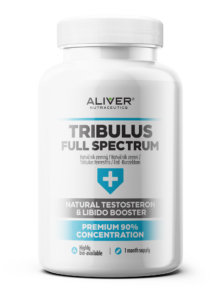
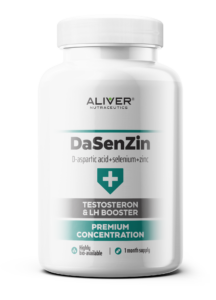
If you specifically want a botanical supplement, Tribulus Full Spectrum contains Tribulus terrestris extract. For a different nutritional option, compare DaSenZin with D-aspartic acid, zinc and selenium. Those ingredients give you a concrete basis for deciding what to discuss.
First identify whether you want dietary support, help with sexual difficulties or a fertility assessment. Let that aim guide the next step rather than expecting a universal testosterone boost. Tribulus is not an established infertility treatment; its manufacturer advises against use with testosterone or in prostate cancer. Herbal supplements are not for pregnancy. Consider DaSenZin as dietary supplementation, not a replacement for hormone treatment. Do not automatically take both products, and ask a pharmacist to review medicines. Product selection should follow a clear purpose and should never push a necessary assessment further down the calendar.