en
en CS
CS SK
SK DE
DE

Zinc, selenium and male fertility: reading beyond the promise
A fertility claim on a supplement can sound like an answer when pregnancy is taking time. Learn how to separate normal nutrient functions from treatment promises and compare options sensibly.

Illustrative image generated with AI.
When conception is taking longer than expected, choosing a men’s supplement can become a search for the biggest number on the label. Zinc and selenium appear repeatedly, often beside reassuring language. Before comparing strengths, ask a more useful question: what nutritional need would adding either mineral address for you?
What normal function actually means
The EU list of authorised claims links zinc with normal fertility and reproduction, and selenium with normal sperm production. Conditions apply to using those claims.
This is not an assessment of an individual couple. It does not explain why you have not conceived or identify the right next step for you. When reading a sales page, keep information about a nutrient’s ordinary role separate from a promise about treatment success. One does not establish the other.
A useful reading exercise is to remove the baby photograph and customer story in your mind. What verifiable information remains? Your decision deserves more than an implied happy ending. Look for a current label, an understandable purpose and a clear distinction between evidence and suggestion.
Start with an inventory
Meat, dairy foods and beans provide zinc; excessive intake can lower copper levels, explains NIH ODS. Its selenium guidance notes variable amounts in Brazil nuts and harm from excessive intake.
Write down a typical week of eating and every supplement you actually take. Include the ordinary multivitamin and products bought for unrelated reasons. The aim is not to score your diet or produce a flawless diary. It is to bring useful information to a pharmacist or dietitian instead of relying on memory.
Compare the daily serving
Check amounts per recommended daily serving, not just the prominent figure on the front of the pack. Pay attention to units: milligrams and micrograms are not interchangeable. Highlight repeated ingredients across labels and take the whole list to your consultation.
Ask what each proposed addition is meant to address, whether products overlap and whether the choice is suitable with your medicines. Persistent difficulty conceiving or an abnormal semen analysis deserves a medical conversation. Keep a recommended appointment rather than moving it back to finish another supplement trial.
BlueFertil plus or TriSenZin Triple Action?
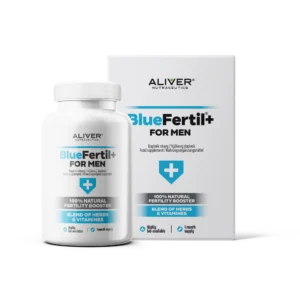
For broader nutritional supplementation, consider BlueFertil plus with zinc and selenium. If you prefer to compare a more focused formula, TriSenZin Triple Action combines Tribulus extract, zinc and selenium. This gives you a useful distinction: a broader blend or minerals combined with a botanical ingredient.
TriSenZin is therefore not simply a single-mineral supplement. If your purpose is to address one nutrient, make that clear during your consultation. Choose according to that purpose rather than buying both to feel more prepared. The minerals overlap, so do not automatically combine the products; include other supplements in the review. Ask a pharmacist about suitability with medicines. Either choice belongs alongside food and appropriate care, not in place of infertility assessment or treatment. Keep an agreed follow-up date regardless of your purchase.