en
en CS
CS SK
SK DE
DE

Folic acid before pregnancy: reading the label when conception takes time
A larger number on a supplement label is not a fertility plan. Understand the purpose of folic acid before pregnancy and prepare useful questions for a pharmacist or clinician.

Illustrative image generated with AI.
After another negative pregnancy test, it is tempting to wonder whether a stronger supplement is the missing piece. Folic acid deserves a more specific question: does your plan match your circumstances, and do you understand the amount you are taking? The largest number on the front of a box cannot answer that.
Its purpose starts before pregnancy
NHS guidance recommends 400 micrograms of folic acid daily before conception and through the first 12 weeks to reduce neural tube defect risk; higher doses need medical advice. That recommendation is not a promise of faster conception.
An unsuccessful cycle is therefore not, by itself, a reason to add another tablet. Separate your questions about preparation from your questions about why pregnancy has not happened. They can be discussed at the same appointment, but choosing a supplement does not settle both.
Read the serving before comparing numbers
Find out whether the amount shown is for one capsule, one tablet or the recommended daily serving. Write down the ingredient name, amount and unit exactly as printed. When comparing two labels, use the same basis for each rather than choosing whichever number looks more impressive.
NIH distinguishes folate, folic acid and supplemental forms. DFE units are not interchangeable with the same number of micrograms of folic acid; folate can also interact with medicines. Photograph unfamiliar wording with its footnote, rather than guessing a conversion from the product name.
Make a pharmacist’s review useful
Bring every supplement you actually take, not just the one marketed for pregnancy planning. Include medicines and your real routine. If you are unsure how often you take something, say so. The point is to make the plan understandable, not to demonstrate perfect organisation.
Ask for a clear explanation of which product fits the plan and which questions need your clinician. Write the agreed routine in one sentence. If you still cannot tell whether two products overlap, ask again before deciding to combine them. A short conversation now is more useful than comparing unrelated recommendations at home.
Considering PinkFertil plus
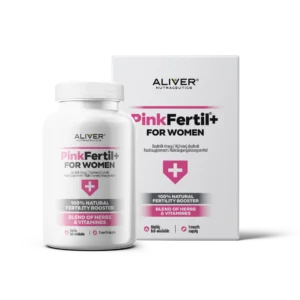
If you are comparing broader supplements before conception, PinkFertil plus is an option for professional review. The manufacturer lists 1.2 mg folic acid per three capsules; pregnancy and breastfeeding are excluded. That equals 1,200 micrograms, above the routine 400 discussed here. Do not automatically choose it as a standard pregnancy supplement or add separate folate without advice. Take the actual packaging to a pharmacist and confirm an appropriate total intake.
The aim is one understandable routine matched to your circumstances, rather than several similar purchases. Agree what to do after a positive test as well. If conception remains difficult, ask for an assessment plan while addressing nutrition. A concrete ingredient list helps you compare products, but it does not establish an effect on becoming pregnant or justify delaying professional help.